

Why mixed building work needs one plan
A clearer scope
Different repairs and improvements are pulled into one defined job instead of scattered tasks.
Better work order
Structural and weatherproofing issues are tackled before they undermine later finishing work.
Practical repair choices
We compare repair and renewal options based on the property, not a standard script.
For jobs that do not fit one neat label
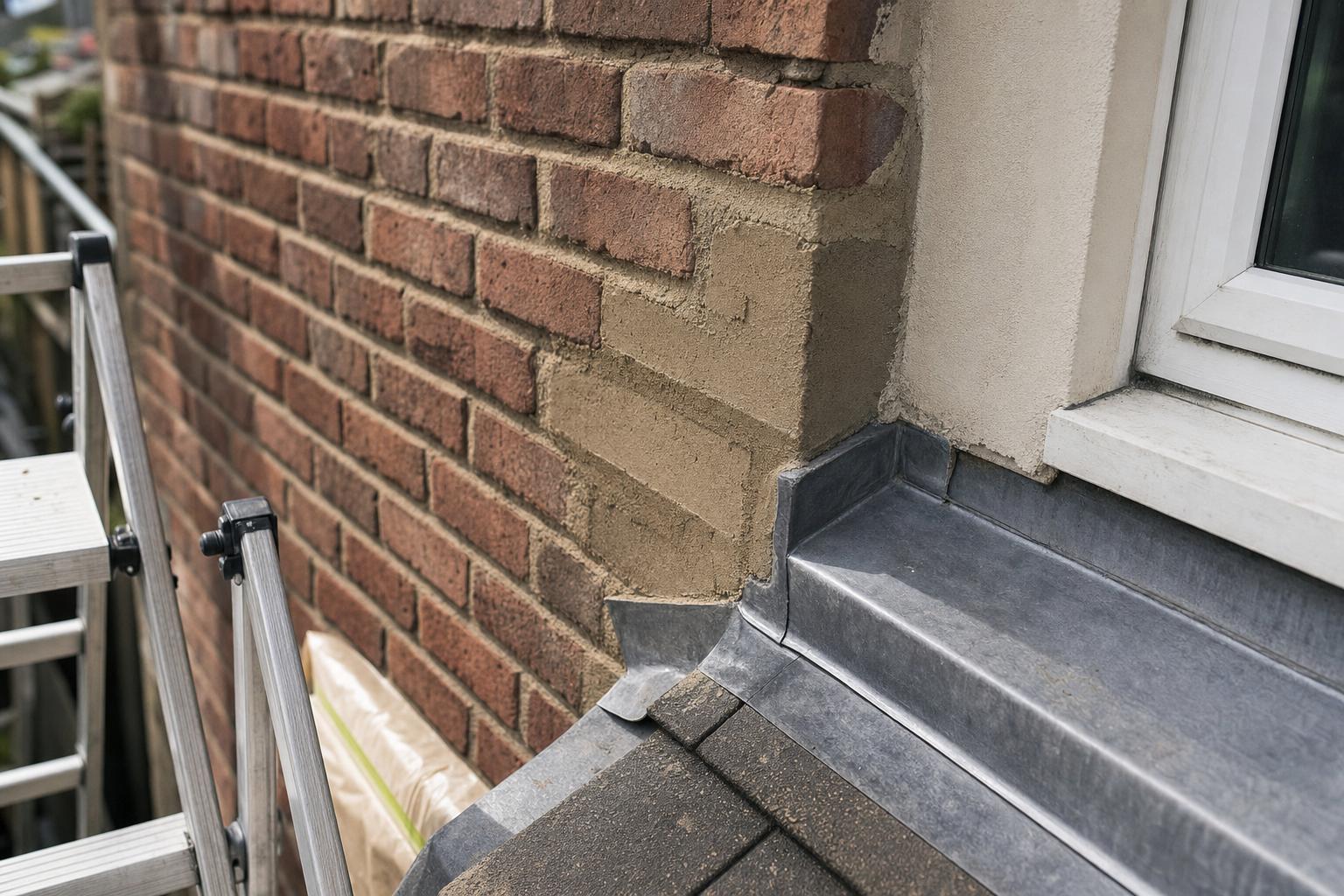
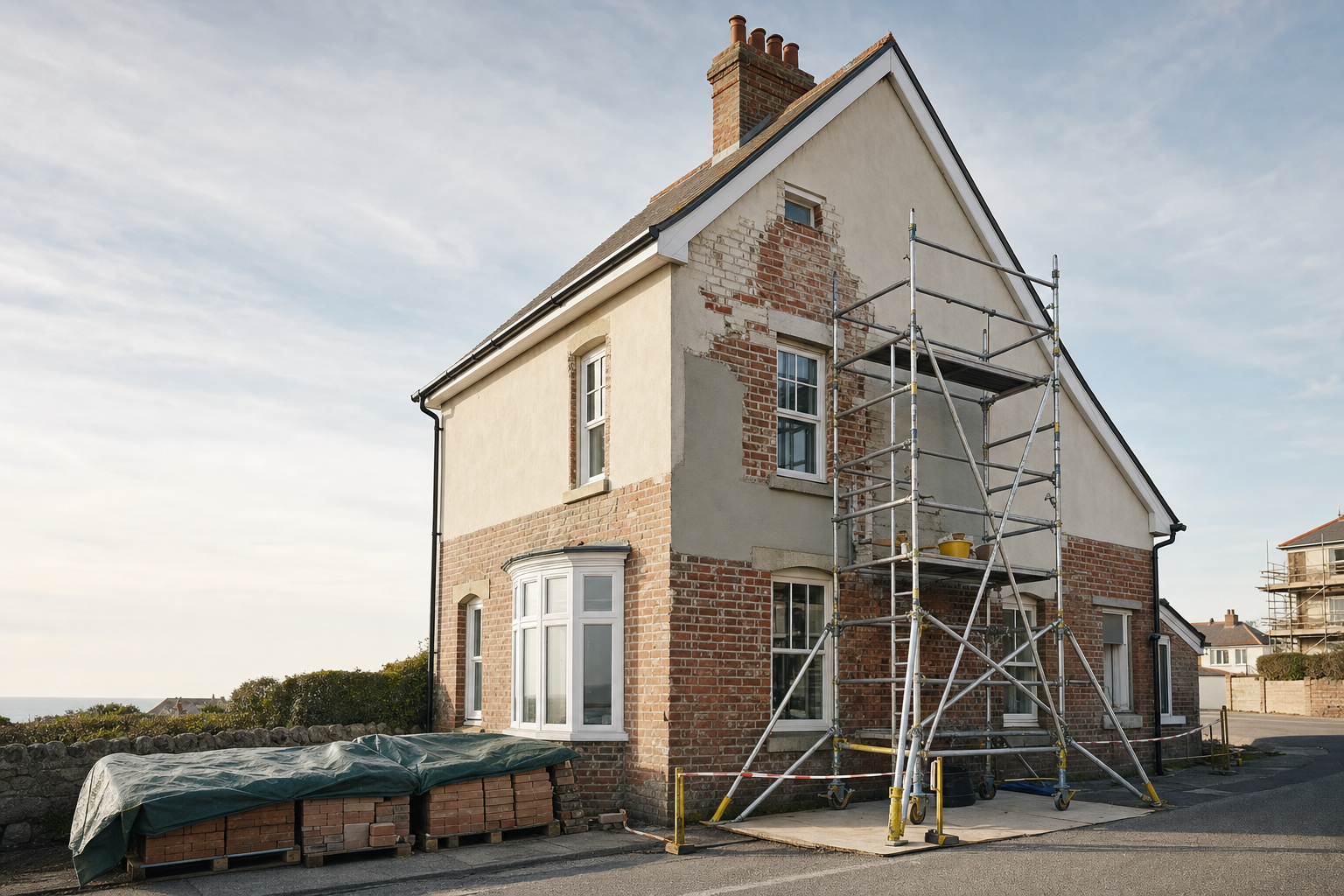
Some property work does not sit tidily in a single trade box. You might need a bit of masonry repair, some roof work, interior finishing and an external repair all within the same job. That is where general building work makes sense. We handle domestic projects that combine several repairs or improvements and turn mixed requirements into a defined scope with a workable order of tasks. When you call D & T Builders, we look at the condition of each part of the property rather than trying to force the job into one pre-set category. That gives you a more realistic plan for what needs repairing, what needs renewing and what can be improved while the area is already being worked on.
Put the right jobs in the right order
A sensible sequence matters on mixed building work. Structural and weatherproof details should be resolved before internal finishes are completed, and interconnected tasks need to be coordinated so one stage does not spoil the next. With D & T Builders, we compare repair, renewal and improvement options according to the condition of the property and the practical use of the space. That helps if you are dealing with a cluster of defects or trying to improve part of the home without opening another round of problems behind it. One clear scope is usually easier to live with than a string of half-solutions.
Frequently asked questions
What kind of jobs count as general building work?
It usually means domestic projects that combine several repairs or improvements rather than fitting one single trade category. That might involve masonry, roofing, plastering, carpentry or exterior repairs working together as one organised piece of work instead of separate disconnected visits.
How do you decide what should be repaired or renewed?
We look at the condition of each part of the property and how it affects the rest of the job. Some elements are suitable for repair, while others may be better renewed if they are too far gone. The decision should follow the building, not a default habit or sales pitch.
Why is coordination important on mixed building jobs?
Because the tasks often rely on each other. If the structural or weatherproofing work is not resolved first, the finishing stages can be wasted or damaged. Coordination helps the job move in a sensible order and reduces the chance of completed areas being disrupted by later repairs.