

What better fencing gives you
Stronger support
Post choice and base conditions are considered so the fence has a firmer foundation.
A cleaner boundary line
Careful setting out helps the finished fence run level and sit more neatly across the plot.
Site-specific planning
Access, ground levels and old fencing are dealt with before they become avoidable delays.
A fence needs more than fresh panels
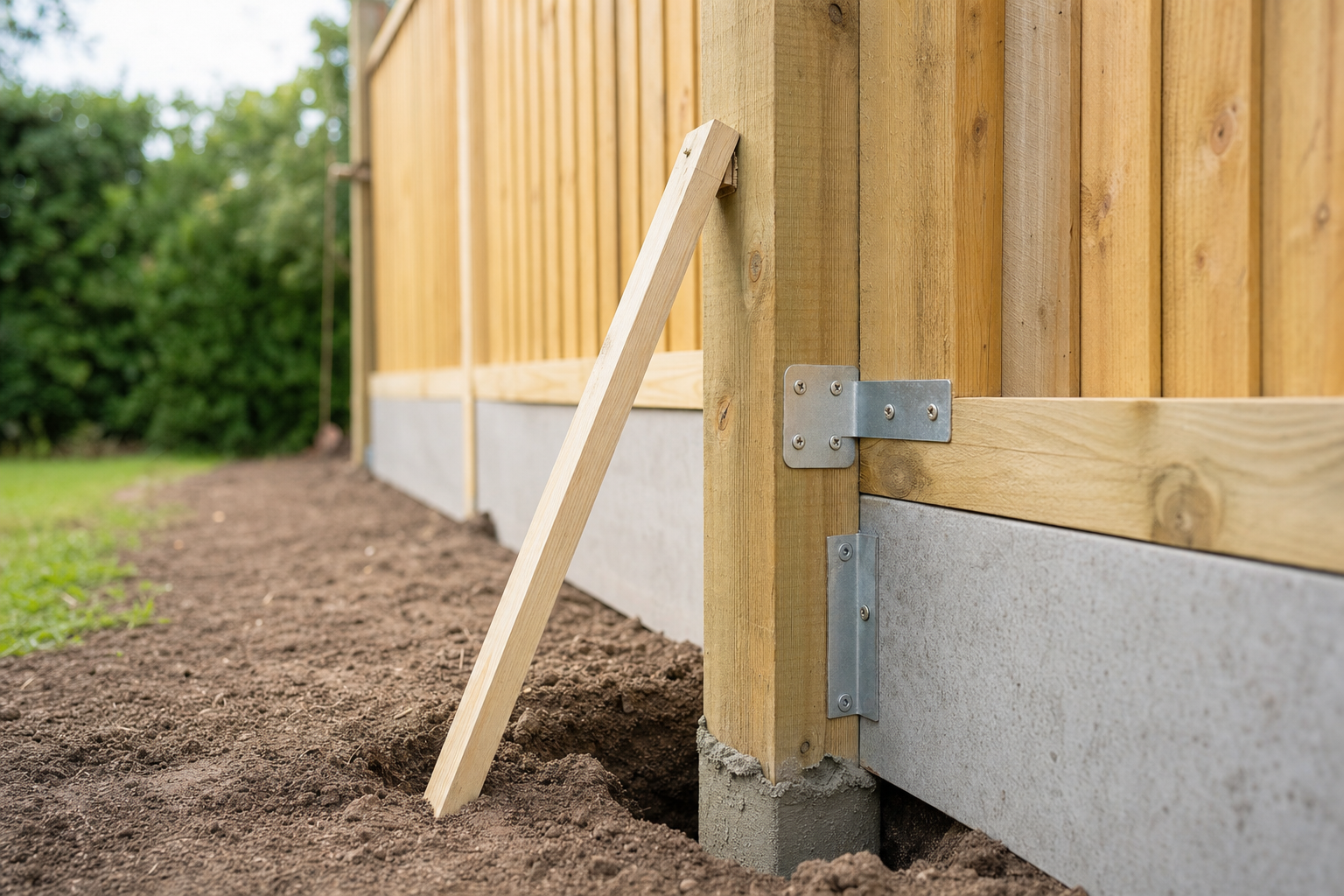
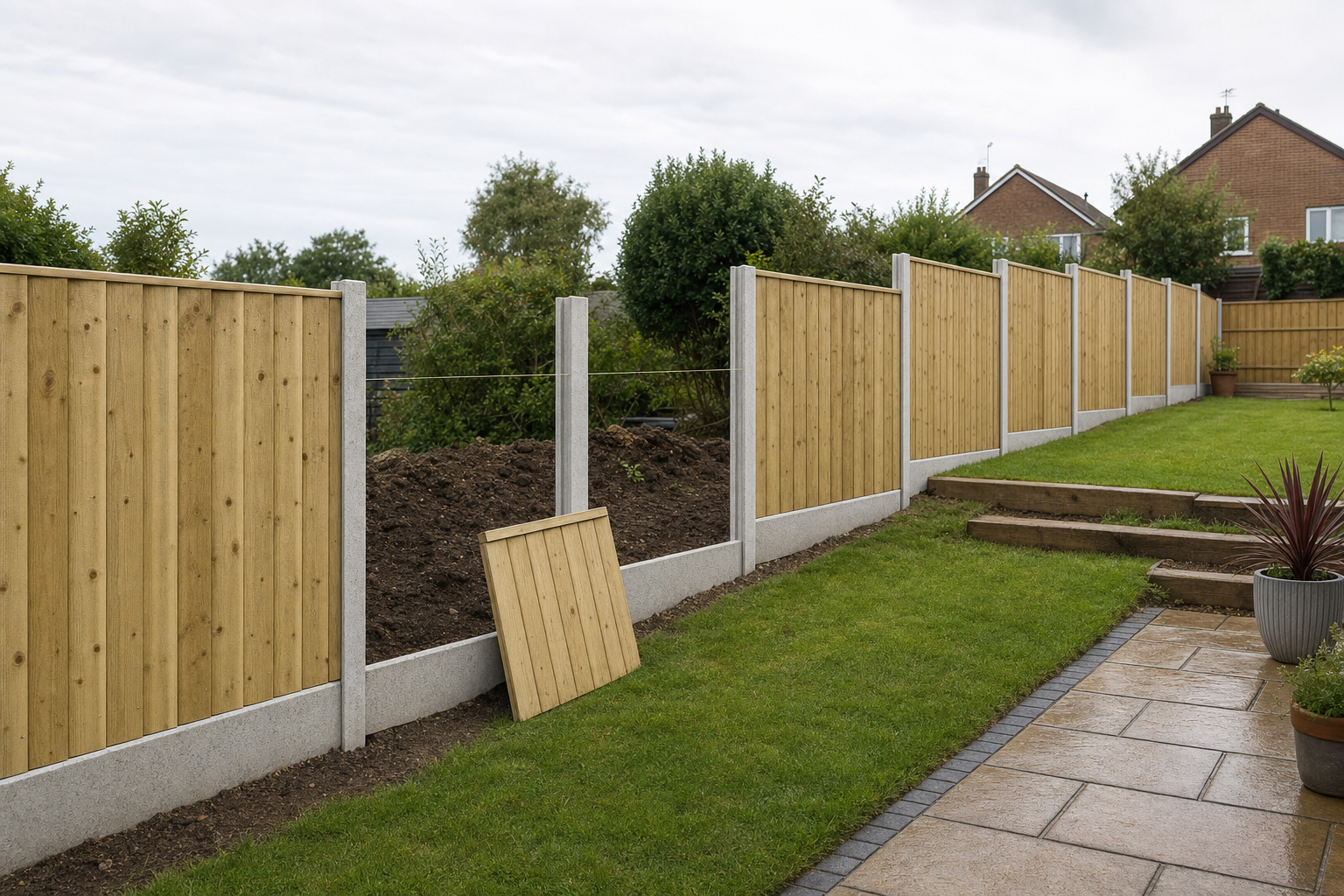
A new fence should do more than hide the neighbour's compost bins. It needs to mark the boundary clearly, stand up well and sit straight across the ground it is given. We install common domestic fencing types including panel systems and closeboard construction, with matching gates where required. When you call D & T Builders, we look at the line of the boundary, the practical use of the space and the condition of whatever is already there. The choice of posts, gravel boards and fence style affects both the look and the durability, so it is worth deciding those parts with the site in mind rather than picking the first option that happens to be in the picture on a leaflet.
Set out properly for a longer-lasting result
Good fencing relies on the hidden parts as much as the visible ones. Post spacing, secure fixing, changes in level, drainage around the bases and exposure to wind all affect how the fence performs over time. With D & T Builders, we also consider access, vegetation clearance and the handling of damaged fencing already on site, because those practical details influence how smoothly the job can be carried out. A fence that looks tidy on day one but moves, leans or rattles by the next rough spell has not really done its job.
Frequently asked questions
What type of fencing can you install?
We carry out common domestic fencing work such as panel fencing and closeboard construction, and matching gates can be included where needed. The best choice depends on the look you want, the boundary layout and how much strength the site is likely to demand over time.
Should I choose timber or concrete posts?
That depends on the site, the appearance you want and how you want the fence to perform. Timber and concrete posts each have their place, and the right answer often comes down to durability, maintenance and how the finished line will sit within the garden or boundary.
What practical issues affect fence installation?
Ground conditions, changes in level, wind exposure, drainage around the post bases, access into the garden and the removal of damaged fencing all influence the work. Sorting those details early helps the installation proceed more cleanly and reduces the risk of awkward surprises halfway through.